
Quick answer: California lemon law covers leased cars the same way it covers purchased cars. If your leased vehicle has a warranty defect the dealer cannot fix after a reasonable number of tries, the manufacturer may have to buy it back. That usually means paying off your lease and refunding what you paid, minus a mileage deduction.
Leasing is popular across Glendale, Burbank, Pasadena and the rest of Los Angeles County, especially for luxury cars, EVs and trucks. Many people who lease assume the lemon law is only for buyers. It is not. If your leased car spends more time at the dealer than in your driveway, the California lemon law for leased cars gives you real options.
Does California lemon law cover leased cars?
Yes. California's lemon law applies to new vehicles bought or leased in California that come with the manufacturer's new-vehicle warranty. The California Attorney General's consumer guide says the same thing in plain terms. Whether you signed a purchase contract or a lease, the manufacturer still has to honor its warranty, and it still has to repurchase or replace the car if it cannot fix it.
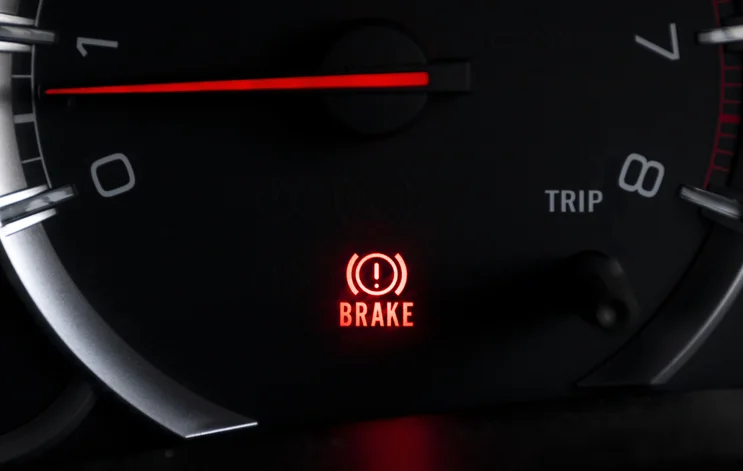
The defect has to be a real one that affects how the car drives, how safe it is, or what it is worth. A car that stalls, loses power, has brake or steering trouble, or keeps throwing the same warning light is a strong example.
When does a leased car count as a lemon?
The law does not set one magic number. It asks whether the manufacturer had a "reasonable" number of chances to fix the problem. California does give you a shortcut, often called the lemon law presumption. Your leased car is presumed to be a lemon if, within the first 18 months or 18,000 miles (whichever comes first), one of these happens:
The dealer tried to fix the same problem four or more times and it is still not fixed.
The dealer tried two or more times to fix a problem that could cause death or serious injury, and it is still not fixed.
The car has been in the shop for warranty repairs for more than 30 days total. The days do not have to be in a row.
Those numbers are a floor, not a ceiling. If your car is past 18,000 miles but still under warranty and still broken after repeated visits, you may still have a claim. The repair orders are what matter, so keep every one.
What does a lemon law buyback pay back on a lease?
This is the question most websites skip. A lease buyback has two parts: what the manufacturer pays you, and what it pays the leasing company.
What you may get back
Your drive-off money. The down payment, first month's payment and other amounts you paid at signing.
Your monthly lease payments. The payments you have made up to the date the claim is resolved.
Taxes and official fees. Sales tax, registration, license and other government fees tied to the lease.
Out-of-pocket costs caused by the defect. Towing, rental cars, rideshares to and from the dealer, and similar reasonable expenses. Keep the receipts.
What the manufacturer pays the leasing company
Your lease is a contract with a bank or the manufacturer's finance arm, not the dealer. In a buyback, the manufacturer generally pays off the remaining balance on that lease so the contract ends. You return the car, and you should not be stuck with leftover payments or an early-termination charge for walking away from a lemon.
The leasing company and the manufacturer are often two different companies. Part of a lemon law attorney's job is making sure the payoff happens and your name comes off the lease cleanly.
Want to better understand the process? Read more about what a buyback looks like on a leased car and what you may be entitled to recover.
The mileage deduction
The manufacturer can subtract an amount for the miles you drove before you first brought the car in for the defect. Miles driven after that first visit do not count against you, which is why the mileage on your first repair order matters so much. For the full math, read our guide to the lemon law buyback formula and how the mileage deduction affects your potential refund.
If you have a leased Range Rover, BMW, Mercedes, Tesla or Rivian with a repair history like this, call us and we will walk through the numbers with you.
Do I have to keep paying my lease during a lemon law claim?
Yes. Keep making every payment on time. The claim is against the manufacturer, not the leasing company. If you stop paying, the leasing company can report you late, charge fees, or even repossess the car. The payments you make while the claim is pending can be part of what you recover, so that money is not wasted. Keep driving the car if it is safe, and take it only to an authorized dealer for repairs, since independent shop visits usually do not count as warranty repair attempts.
What if my lease is almost over, or I already turned the car in?
Talk to a lawyer before you turn in a lease early to get rid of the problem. Once the car is gone, the buyback option gets more complicated. You may still be able to recover money after the lease ends if the defects are documented in repair orders from the warranty period, but it is far easier while you still have the car. If you are a few months from lease-end with a long repair history, call now, not after you hand over the keys.
What to do right now if your leased car is a lemon
Gather your lease contract, every repair order, and your payment history. Our guide to the five documents to collect before a lemon law claim walks through each one.
- Write down the date and mileage of the first visit for the problem.
- Keep paying the lease and keep servicing the car at the deale
- Save receipts for rentals, towing and rideshares.
- Call a lemon law attorney before you accept any offer or return the car.
In a successful lemon law case, the manufacturer is generally responsible for the consumer's attorney fees, so the review costs you nothing up front. Here is who pays attorney fees in a California lemon law case.
Frequently asked questions
Does the lemon law apply to leased cars in California?
Yes. California lemon law covers vehicles leased with the manufacturer's new-vehicle warranty, not just vehicles that are bought. If the manufacturer cannot fix a warranty defect after a reasonable number of attempts, it may have to buy back or replace the leased car.
What happens to my lease if the manufacturer buys back the car?
The manufacturer generally pays off the remaining balance owed to the leasing company, the lease ends, and you return the car. You may receive a refund of your drive-off money, monthly payments, taxes and fees, minus a deduction for miles driven before the first repair attempt.
Should I stop paying my lease while my lemon law claim is pending?
No. Keep making every lease payment on time. Missed payments can hurt your credit and give the leasing company grounds to act against you, and they do not help your case. Payments made during the claim can be included in what you recover.
Can I file a lemon law claim after my lease ends?
Possibly. If the defects arose during the warranty period and are documented in repair orders, you may still be able to recover money after the lease ends. The case is usually simpler while you still have the car, so talk to an attorney before you turn it in.
Talk to a Glendale lemon law attorney about your lease
Khachikyan Law Firm – Lemon Busters handles California lemon law cases for drivers in Glendale, Burbank, Pasadena, the San Fernando Valley and across Los Angeles and Orange County, including leased luxury cars, EVs and trucks. If you're researching California lemon law for leased cars or dealing with a leased vehicle that keeps returning to the dealership for repairs, our team can help you understand your options. Call (747) 946-5884 or contact us online for a free case review. Available 24/7. Hablamos español.
This article is for general information only and is not legal advice for any specific situation; every case depends on its own facts.