
Quick answer: A GM brake system failure warning, a hard brake pedal, or a sudden loss of power brake assist is a safety defect. If your Chevrolet, Cadillac, GMC or Buick is still under warranty and the dealer cannot fix it in a reasonable number of tries, California's lemon law may require GM to buy the vehicle back or replace it.
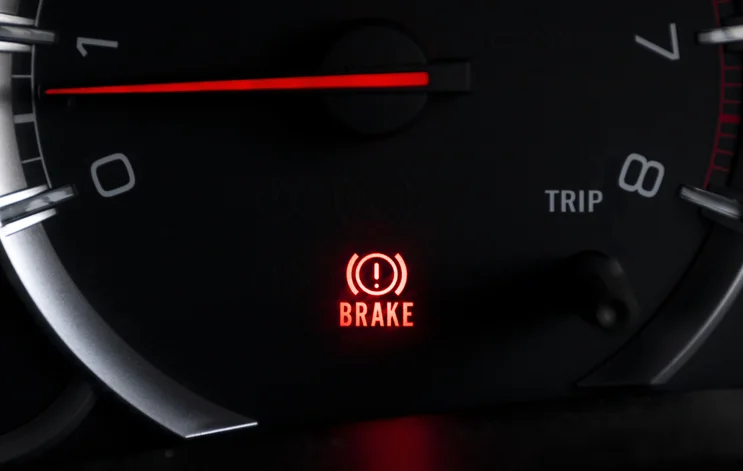
If you drive a newer GM vehicle and have seen a "Brake System Failure" or "Service Brake System" message, you are not alone. Federal safety regulators are looking at more than a million GM vehicles over a brake part called the eBoost module. Owners report a pedal that suddenly goes stiff, warning lights across the dash, and in some cases a loss of power brake assist while driving. For drivers in Glendale, Burbank, Pasadena and the rest of Los Angeles County, that is the kind of problem California's lemon law was written for.
Which GM vehicles have the brake system failure problem?
The federal investigation covers vehicles built with GM's eBoost brake assist system. Based on the public filing, the list includes:
- Cadillac Lyriq (2023–2026)
- Chevrolet Blazer EV, Equinox EV and Traverse (2024–2026)
- Chevrolet Colorado and GMC Canyon (2023–2026)
- GMC Acadia (2024–2026)
- Buick Enclave and Envision (2024–2026)
- Cadillac Celestiq and Optiq (2025–2026)
- Honda Prologue and Acura ZDX (2024–2026), which GM built for Honda
Separately, at the end of October 2026 GM filed a new recall for a brake software problem on performance all-wheel-drive versions of the Cadillac Lyriq and Chevrolet Blazer EV, plus the Celestiq and Vistiq. GM says a light brake tap in a sharp low-speed turn, followed by a bump, can cause a brief loss of braking. An earlier recall was supposed to address a related issue and did not fully solve it, so GM is trying again.
What does the brake problem feel like?
Owners describe the same symptoms over and over:
- The brake pedal turns hard and needs far more foot pressure to slow the vehicle.
- A "Brake System Failure" or "Service Brake System" message appears at startup or while driving.
- The ABS, traction control and brake warning lights come on together, often with a chime.
- The vehicle limits its own top speed, sometimes to about 43 miles per hour.
The NHTSA investigation notice says a failed part can take out brake assist, anti-lock braking, stability control and traction control, which can mean longer stopping distances. The filing counts hundreds of complaints and more than 20 crashes or fires. As of this writing, GM has not recalled the eBoost part itself.
That matters. Many owners think they have to wait for a recall before they have any rights. You do not. A warranty repair visit for a brake defect counts whether or not a recall ever comes. If the dealer says a fix is not ready yet, see our post on what the lemon law says while you wait for a recall remedy.
Does a brake defect qualify under California lemon law?
Often, yes. California's lemon law covers new, used and leased vehicles that are still under the manufacturer's warranty. If the manufacturer cannot fix a warranty defect after a reasonable number of attempts, it may have to buy the vehicle back or replace it.
Brakes are a safety system, and that changes the math. The law presumes a vehicle is a lemon if, within the first 18 months or 18,000 miles (whichever comes first), any of these is true:
- The dealer has tried at least two times to fix a defect that could cause death or serious injury, and it is still not fixed.
- The dealer has tried four or more times to fix the same defect, and it is still not fixed.
- The vehicle has spent more than 30 days total in the shop for warranty repairs.
A brake pedal that goes hard at speed can fall into that first category, so two failed repair attempts may be enough. The presumption is only a shortcut, too. Vehicles outside the 18-month window can still qualify when the facts support it. If your Traverse, Acadia, Lyriq or Equinox EV has been back to the dealer twice for the same brake warning, talk to a lemon law attorney now rather than later.
What if the dealer only "updated the software" and sent me home?
Software updates are repair attempts. So are visits where the dealer replaces the module or says it "could not duplicate" the problem. If the warning comes back after an update, that is one more failed attempt in your favor. We cover this in our post on what to do when the dealer says it could not duplicate your problem.
What should I do right now?
A simple checklist for GM owners dealing with a brake system failure warning:
- Photograph every warning, with the mileage and the date showing.
- Go to a GM dealer, not an independent shop. Repair attempts count when the manufacturer's authorized dealer makes them.
- Get your words on the repair order. "Brake pedal went hard and Brake System Failure message came on" beats "customer states brake concern."
- Keep every repair order, even the ones that say "no problem found," and do not accept a verbal "it's fixed."
- Go back every time it happens. Do not wait for a recall letter.
If this sounds like your car, call us. Our Glendale lemon law attorneyshandle Chevrolet, Cadillac, GMC and Buick claims for drivers across Glendale, the San Fernando Valley, Pasadena and the rest of Los Angeles County.
What does GM owe me if my vehicle is a lemon?
If your vehicle qualifies, the manufacturer generally has to take it back and refund what you paid, including your down payment, monthly payments and loan payoff, minus a deduction for the miles you drove before the problem first appeared. Or, if you prefer, it may replace the vehicle. In most successful cases the manufacturer, not you, ends up paying the attorney's fees. We explain how in our post on who pays attorney fees in a California lemon law case.
Frequently asked questions
Is there a recall for the GM brake system failure warning?
As of early November 2026, the eBoost brake assist issue is under a federal investigation, not a recall. A separate recall covers a brake software problem on certain all-wheel-drive Cadillac Lyriq and Chevrolet Blazer EV models. Either way, you do not need to wait for a recall to pursue a lemon law claim.
How many times does the dealer have to fail before my GM is a lemon?
For a safety defect like brake failure, California's lemon law presumes a vehicle is a lemon after two unsuccessful repair attempts within the first 18 months or 18,000 miles. For other defects, the number is four, or more than 30 days in the shop. Cases outside those limits can still qualify.
Does California lemon law cover a leased Cadillac Lyriq or Chevy Blazer EV?
Yes. Leased vehicles are covered the same way purchased vehicles are, as long as the defect shows up while the manufacturer's warranty is in effect. A buyback on a lease can return your payments and end the lease.
Can I still file a claim if I bought my GM vehicle used?
Often, yes. A used vehicle that still has time left on the original manufacturer's warranty can qualify. What matters is that the brake defect appeared and was presented for repair while the warranty covered it.
Talk to a Glendale lemon law attorney today
A brake system that fails without warning is not something to live with. If your GM, Honda Prologue or Acura ZDX has been in for the same brake problem more than once, Khachikyan Law Firm can review your repair orders and tell you where you stand.
Call (747) 946-5884 or contact us online. Available 24/7. Hablamos español. We serve drivers in Glendale, Burbank, Pasadena, the San Fernando Valley and throughout Southern California.
This article is for general information only and is not legal advice; every case depends on its own facts, so please contact us to discuss your situation.