

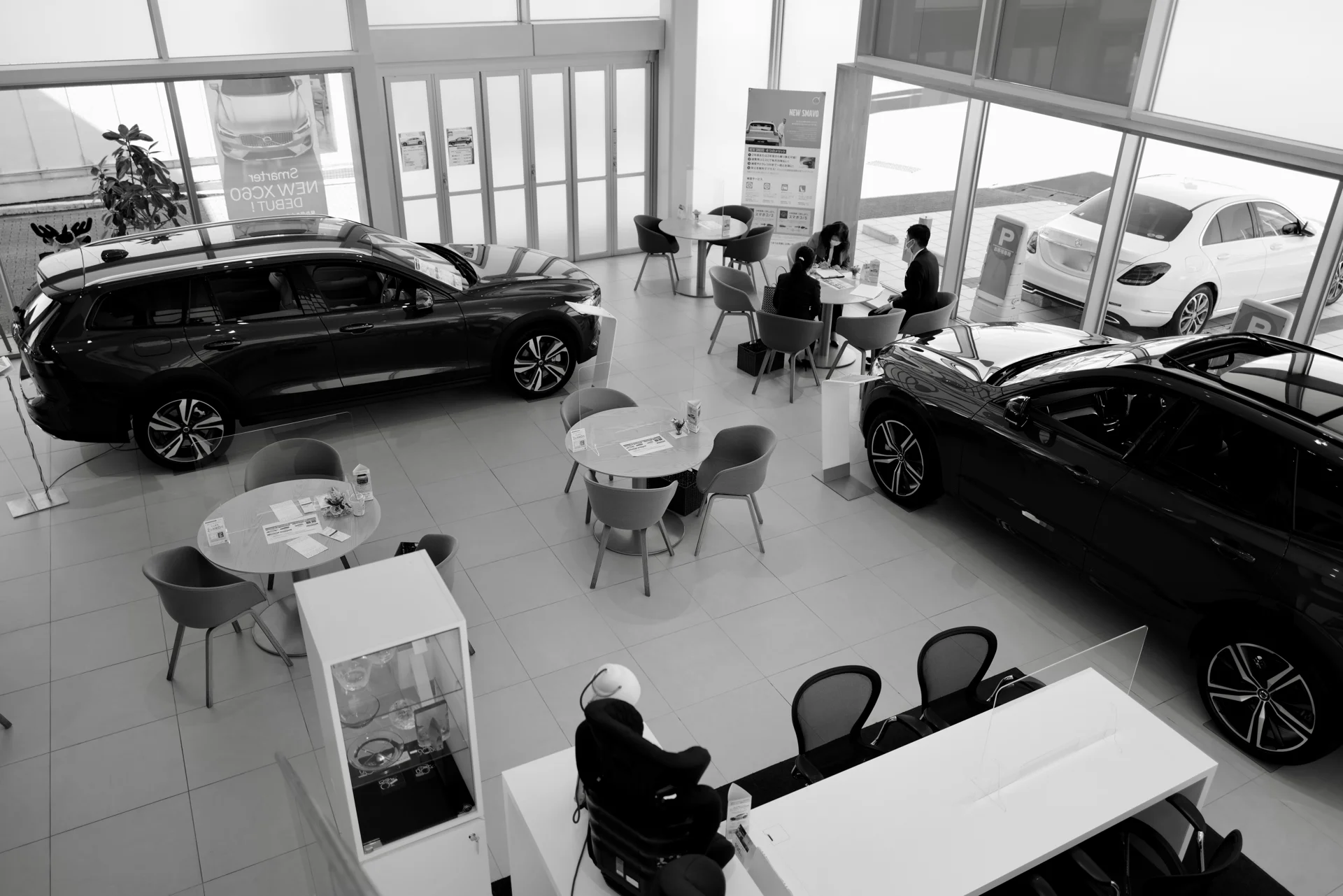
Few things are more frustrating than bringing your car to the dealership for a real problem, only to be told the technician “could not duplicate” the issue.
You know what happened. The vehicle stalled, hesitated, leaked, lost power, flashed warning lights, made a grinding noise, or failed to start. But after the dealership inspects it, your repair order says something like:
- “Could not duplicate concern”
- “No problem found”
- “Vehicle operating as designed”
- “Unable to verify customer complaint”
To many drivers, that feels like the end of the road. But it does not have to be.
A “could not duplicate” note does not automatically mean your car is fine. It also does not automatically mean you have no lemon law claim. In fact, repeated “could not duplicate” repair orders may become important evidence if your vehicle continues having the same issue.
At Khachikyan Law Firm – Lemon Busters, we help California consumers deal with defective vehicles, repeated repair visits, warranty problems, and lemon law claims throughout Glendale, Los Angeles, and Southern California.
Why Dealers Say “Could Not Duplicate”
Sometimes a technician genuinely cannot recreate the problem during a short test drive or inspection. Many vehicle issues are intermittent, meaning they do not happen every time the car is driven.
Common intermittent defects include:
- Check-engine lights that turn on and off
- Transmission hesitation or jerking
- Electrical glitches
- Infotainment screen failures
- Backup camera problems
- Random stalling
- Battery or charging problems
- EV range or charging defects
- Brake noises
- Suspension noises
- Steering issues
- Water leaks
- Warning messages that disappear before inspection
Other times, the problem may require specific conditions to appear. For example, the issue may only happen when the engine is cold, when the vehicle is driven at highway speed, when the battery is below a certain charge level, when the air conditioning is running, or after the car has been driven for 30 minutes.
That is why a short dealership inspection may not tell the whole story.
Does “Could Not Duplicate” Count as a Repair Attempt?
In many lemon law cases, the repair history matters more than the dealership’s conclusion.
California lemon law protects consumers when a manufacturer or authorized repair facility cannot repair a warranty-covered defect after a reasonable number of attempts. The California Attorney General explains that lemon law protection applies when a vehicle problem is covered by the manufacturer’s warranty, substantially impairs use, value, or safety, and is not caused by unauthorized or unreasonable use after sale.
If you brought the vehicle in for the same problem and the dealer documented your complaint, that visit may still matter — even if the dealer later wrote “could not duplicate.”
The key is making sure the repair order accurately states what you complained about.
For example, this is weak:
“Customer states vehicle has issue.”
This is much better:
“Customer states vehicle stalls when accelerating from a stop after cold start. Check-engine light appeared. Vehicle lost power while merging onto freeway.”
The more specific the repair order is, the harder it becomes for the manufacturer to later claim there was no real problem.
Why “Could Not Duplicate” Can Hurt Your Claim If You Do Nothing
A vague repair order can make your case harder.
If the dealership keeps writing “could not duplicate” and your complaint is not clearly described, the manufacturer may argue that:
- There was no defect
- The issue was never verified
- The vehicle was repaired properly
- The problem was unrelated to prior visits
- You did not give the manufacturer a fair chance to fix it
That is why you should not simply accept vague paperwork and leave.
Before you sign or leave the dealership, review the repair order carefully. Make sure it describes the actual problem, when it happens, and how it affects the vehicle.
What You Should Do Before Your Service Appointment
Before taking the vehicle in, write down the details of the problem. This can help you explain the issue clearly to the service advisor.
Try to document:
- The date and time the issue happened
- Mileage when the issue happened
- Weather or temperature
- Speed you were driving
- Whether the engine was cold or warm
- Whether warning lights appeared
- Whether the problem happened during braking, accelerating, turning, charging, or starting
- How often the problem happens
- Whether passengers witnessed it
- Whether the issue created a safety concern
If it is safe, take photos or videos. A video of a warning light, screen failure, strange noise, or vehicle hesitation may become very useful later.
What to Say to the Service Advisor
When you arrive at the dealership, be clear and consistent.
Instead of saying:
“The car is acting weird.”
Say something like:
“The vehicle hesitates and jerks when shifting from second to third gear, especially after driving for about 15 minutes. This has happened at least six times in the last two weeks.”
Or:
“The check-engine light came on three times this month. The vehicle lost power while I was driving on the freeway. I have a photo of the warning light.”
Ask the service advisor to write your complaint exactly and specifically. If the repair order leaves out important details, ask for it to be corrected before you sign.
Ask for a Test Drive With the Technician
If the dealership says it cannot duplicate the problem, ask whether you can drive with the technician or shop foreman.
This is especially helpful for noises, vibrations, steering problems, braking issues, and intermittent drivability defects. If you can recreate the issue during the test drive, ask the dealership to write that on the repair order.
Also ask for the name and title of the person who witnessed the problem.
Do Not Leave Without a Repair Order
Always get a copy of the repair order or invoice before leaving the dealership.
Your repair order should include:
- Date you dropped off the vehicle
- Date you picked it up
- Mileage in and mileage out
- Your stated complaint
- Technician findings
- Diagnostic codes, if any
- Repairs performed
- Parts replaced
- Whether the concern was duplicated
- Whether the dealership says the vehicle is safe to drive
California’s lemon law presumption considers repeated unsuccessful repair attempts and time out of service. The Department of Consumer Affairs explains that the presumption may apply within the first 18 months or 18,000 miles if the same problem is not fixed after four or more attempts, a serious safety issue is not fixed after at least two attempts, or the vehicle is out of service for more than 30 days for repair.
That means repair paperwork is extremely important.
Keep a Personal Defect Log
Your own records can help show the pattern.
Create a simple note on your phone or a spreadsheet with columns for:
- Date
- Mileage
- Problem
- What happened
- Where it happened
- Photos or videos taken
- Whether you contacted the dealer
- Whether the vehicle felt unsafe
This is especially useful when the issue is intermittent. A pattern of repeated problems can help support your claim even if the dealership says it could not recreate the issue during one visit.
What If the Dealer Says the Problem Is “Normal”?
Another common phrase is “operating as designed.”
This can be just as frustrating as “could not duplicate.” Sometimes dealerships use this phrase for transmission hesitation, brake noise, software glitches, EV charging issues, or engine behavior.
But just because a dealer says something is normal does not mean you have to accept that answer. If the issue affects the vehicle’s use, value, or safety, and it continues despite repair visits, you may still have rights.
Should You Go to a Different Dealership?
Sometimes, yes.
If one authorized dealership repeatedly dismisses your complaints, you may consider taking the vehicle to another authorized dealership for the same manufacturer. A different service department may be more willing to diagnose the problem, perform a test drive, check technical service bulletins, or document the issue properly.
However, do not lose track of your paperwork. Keep all repair orders from every dealership.
Can a “Could Not Duplicate” Case Still Be a Lemon Law Case?
Yes, depending on the facts.
A lemon law claim may still be possible if:
- You repeatedly complained about the same defect
- The defect is covered by the warranty
- The issue substantially affects use, value, or safety
- The dealership had reasonable chances to repair it
- The problem continues
- The repair orders show a pattern
- You have photos, videos, or other evidence
The phrase “could not duplicate” is not magic language that protects the manufacturer. What matters is the full repair history and whether the vehicle continues to have a substantial defect.
Common Vehicle Problems That Dealers Often “Cannot Duplicate”
Drivers frequently hear “could not duplicate” for problems such as:
- Random stalling
- Transmission jerking
- Hard shifting
- Delayed acceleration
- Electrical failures
- Dashboard warning lights
- Battery drain
- EV charging failures
- Brake squeaking or grinding
- Steering vibration
- Suspension clunking
- Water leaks
- Infotainment freezing
- Backup camera black screens
- Sensor or driver-assistance failures
These problems may still be serious, especially if they affect safety or reliability.
When Should You Call a Lemon Law Attorney?
You should consider speaking with a California lemon law attorney if:
- The dealer has written “could not duplicate” more than once
- The same problem keeps coming back
- Your vehicle has been in the shop for many days
- The dealer refuses to perform repairs
- The manufacturer denied your buyback request
- You feel unsafe driving the vehicle
- The repair orders do not accurately describe your complaints
- You are being told the issue is “normal”
An attorney can review your repair orders, warranty documents, purchase or lease contract, photos, videos, and communications with the dealership.
Talk to Khachikyan Law Firm – Lemon Busters
You do not have to accept “could not duplicate” as the final answer.
If your vehicle keeps having the same problem, the dealership keeps sending you home without a real fix, or your repair orders do not tell the full story, Khachikyan Law Firm – Lemon Busters can help you understand your options.
Our firm represents consumers in lemon law, warranty, dealer fraud, and defective vehicle matters throughout Glendale, Los Angeles, and Southern California.
Call Khachikyan Law Firm – Lemon Busters at (747) 966-4508 or contact us online to schedule a free consultation.